
Usage context
Context
01
Narrative · 01
Context
An enterprise API layer is set up for secure, controlled data sharing with internal teams, suppliers or customers.

Secure API access to data for internal and external stakeholders; quotas, authorization, versioning and usage records.
Solution flow
An enterprise API layer is set up for secure, controlled data sharing with internal teams, suppliers or customers.
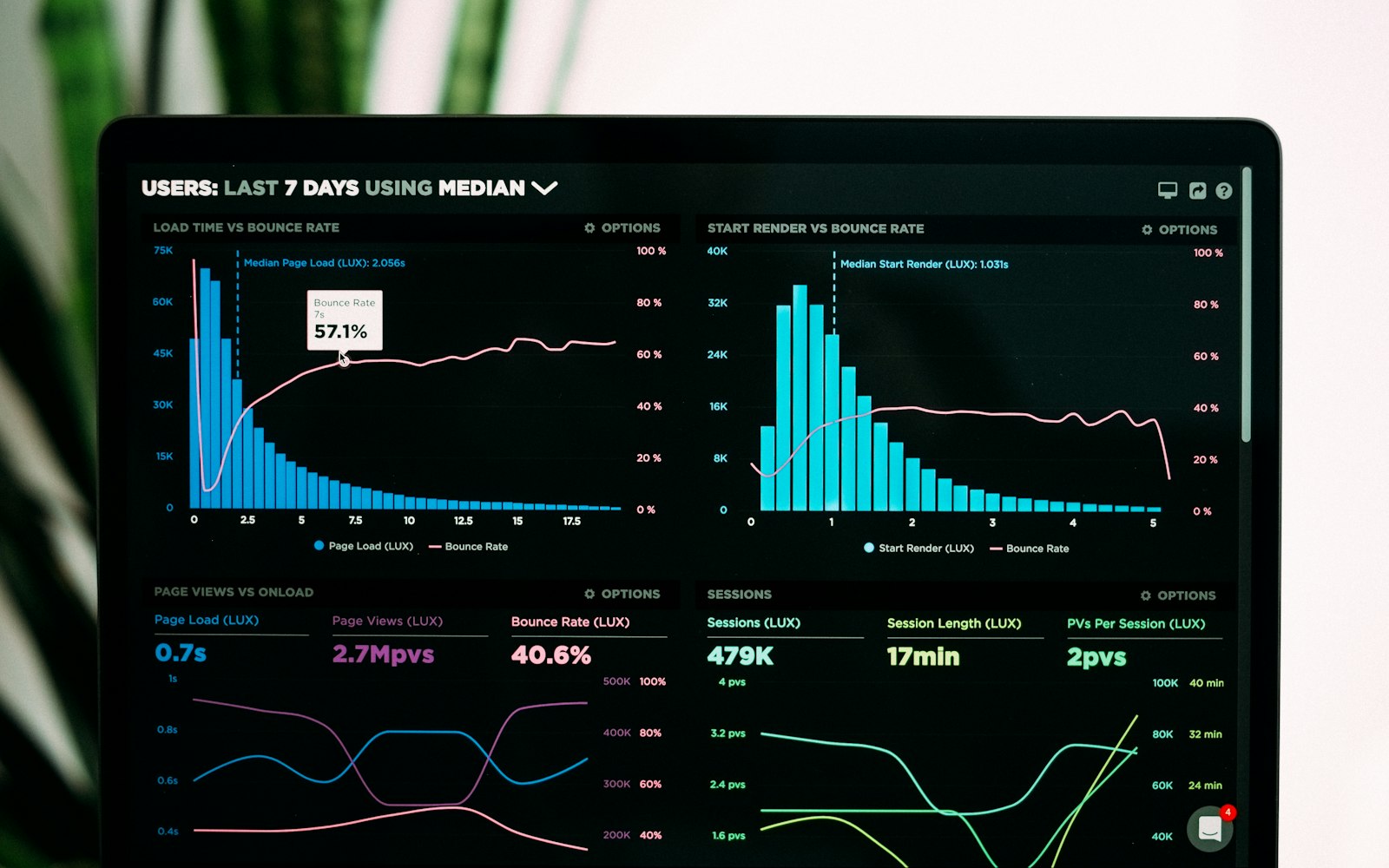
We install an enterprise API layer: endpoints, authorization, quotas and audit trail are written in the project definition; which dataset opens to whom is approved.

Published API, usage log and access acceptance record.
An enterprise API layer is set up for secure, controlled data sharing with internal teams, suppliers or customers.
We install an enterprise API layer: endpoints, authorization, quotas and audit trail are written in the project definition; which dataset opens to whom is approved.
Published API, usage log and access acceptance record.
Each published endpoint is tested with authorization, quota and versioning scenarios; acceptance confirms that access and usage records appear completely in the audit trail.
Requires a decision on which datasets open to whom, an authentication mechanism, and the list of stakeholders who will consume the API.
How it works
When internal teams, suppliers and customers all want the same data, every connection turns into separate custom work. The API layer manages access from one place with authorization, quotas and usage records; acceptance is by seeing those records in the audit trail.
The same dataset is opened again and again in different formats with different security expectations. Without access control and usage measurement, who sees how much of the data cannot be governed.
Endpoints, authorization, quotas and the audit trail are written in the project definition; which dataset opens to whom is approved. Versioning allows change without breaking consumers.
Each published endpoint is tested with authorization, quota and versioning scenarios; access and usage records are kept in full. Data sharing thus becomes explainable after the fact.
What comes next
Once the API layer is stable, supplier portals, regulatory links and partner integrations are added on the same access model.
Record chain
From obligation to measured record to produced output.
Production, traceability or quality record obligation
Shop-floor production and process records
Timestamped operational records from measurement
Industry contexts where this solution is often relevant.
Solutions often considered together.
We clarify a suitable scope together based on your site, industry and goals.