
Usage context
Context
01
Narrative · 01
Context
Waste-flow reporting is set up to track raw material, scrap, waste and disposal streams by unit.
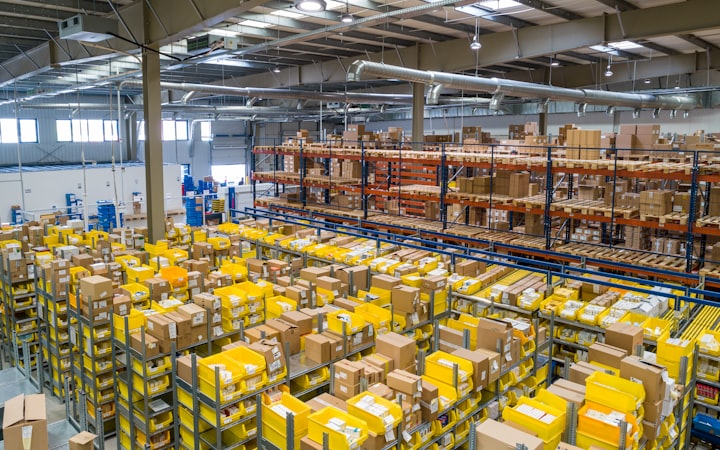
Waste-flow monitoring with fill and weigh sensors; allocation reports by tenant, department or product.
Solution flow
Waste-flow reporting is set up to track raw material, scrap, waste and disposal streams by unit.
We monitor waste flows via fill level and weighing; split by tenant, department and product. The project definition documents weighing method, labelling and reporting rule per waste point; scrap and waste merge in the same loss model.

Material loss per product, disposal cost, mandatory notifications generated from the system.
Waste-flow reporting is set up to track raw material, scrap, waste and disposal streams by unit.
We monitor waste flows via fill level and weighing; split by tenant, department and product. The project definition documents weighing method, labelling and reporting rule per waste point; scrap and waste merge in the same loss model.
Material loss per product, disposal cost, mandatory notifications generated from the system.
Acceptance shows that each waste point's fill or weigh record breaks down by product, department or tenant and that the period total reconciles with disposal or invoice records.
Requires fill-level or weighing measurement at waste points, product or department information for the breakdown, and approval of the labelling and reporting rule.
How it works
Waste and scrap flows are measured with fill level and weighing; product, department and tenant breakdowns live in one loss model. Period totals reconcile with disposal records.
When scrap and waste merge in one loss model, product and shift breakdowns support cost allocation. Disposal and production records read in a shared language.
The weighing method, labelling and reporting rule for each waste point are written in the project definition; scrap and waste merge in the same loss model. The flow is monitored continuously with fill level and weighing.
Acceptance is by the period total of the broken-down records reconciling with disposal or invoice records. Material loss per product and disposal cost become measurable.
What comes next
Once the waste record is stable, mandatory notifications and circular-flow matching are produced from the same measurement.
Record chain
From obligation to measured record to produced output.
Energy efficiency, emissions or carbon reporting obligation
Energy consumption and emissions records
Measured energy and carbon records linked to product and site
Industry contexts where this solution is often relevant.
Solutions often considered together.
We clarify a suitable scope together based on your site, industry and goals.